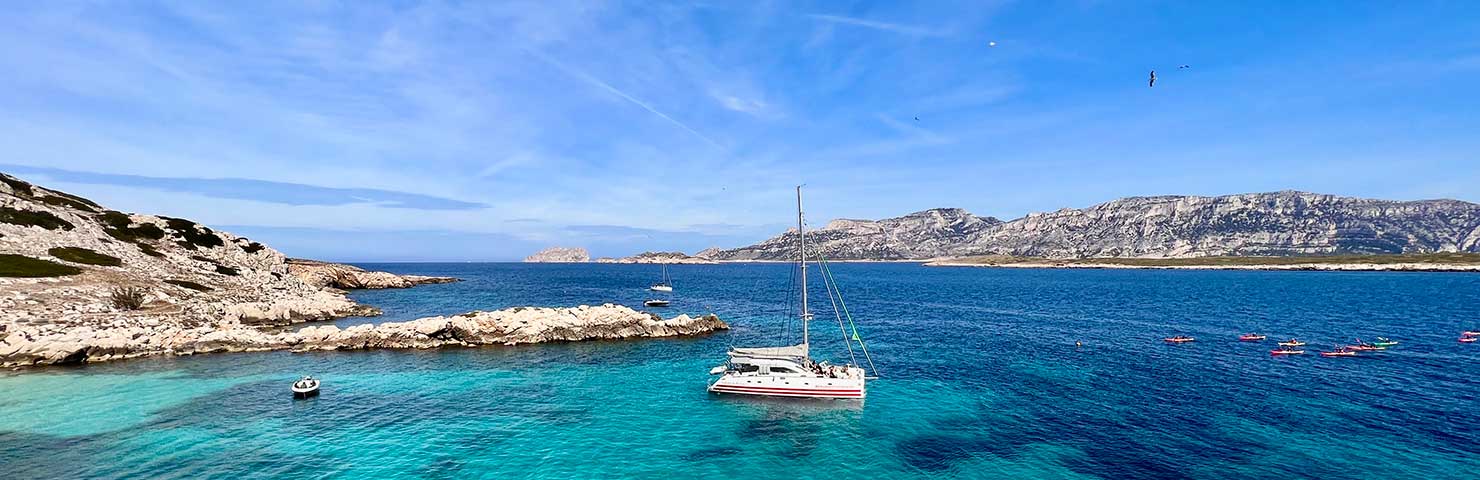
Every calanque has its secret, but some possess an indescribable magic. Six of our skippers, experts in boat tours, all graduates of the Merchant Marine, open their logbooks to you. They share here their six favorite refuges, chosen not only for their wild beauty, but for their history and anecdotes.
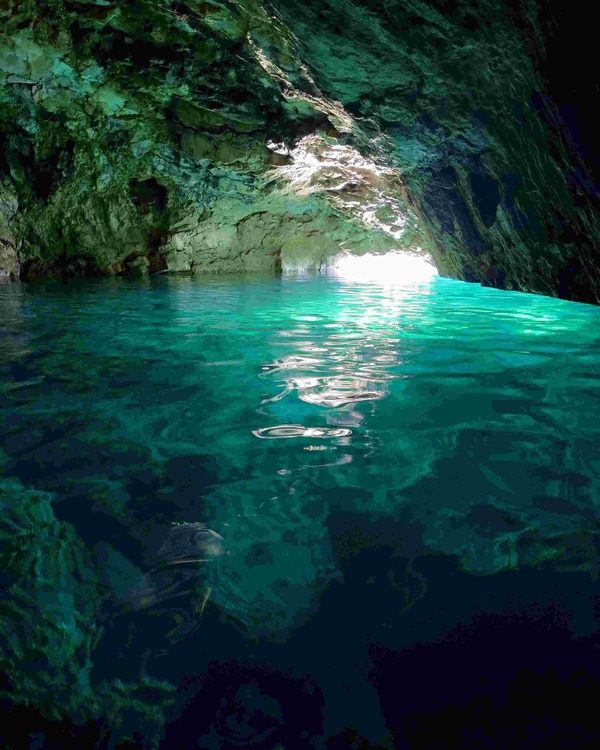
© Photo credit: Christian Chazot
A former fisherman, César is our expert eye on the sea and the first to spot dolphins.
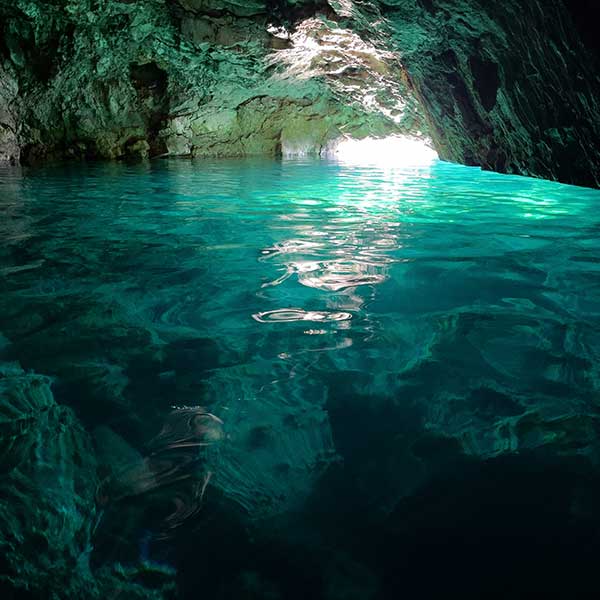
« The Blue Cave, in Morgiou, offers its maximum intensity when the sun reaches a specific angle, generally between 11 AM and 1 PM in summer. Contrary to popular belief, it is not direct light that creates this electric blue, but the refraction of solar rays passing through a submerged siphon several meters deep. »
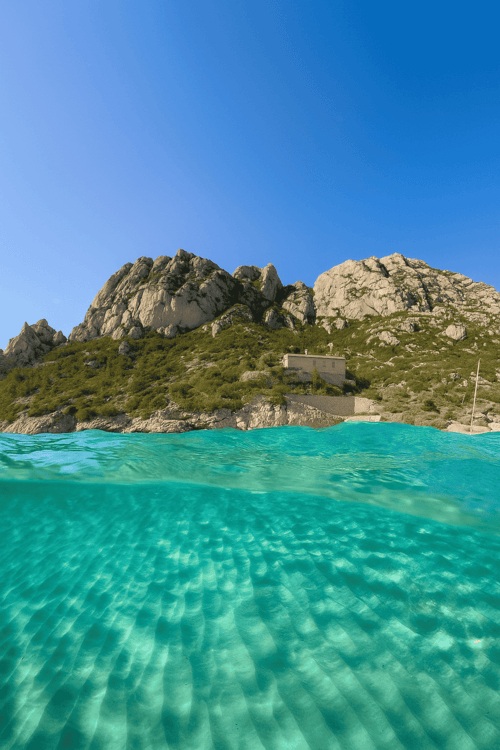
© Photo credit: Christian Chazot
We have the honor of counting among our skippers Clémence Beuchat, granddaughter of Georges Beuchat. An accomplished skipper and swimmer, Clémence loves sharing the best spots for diving and exploring below the surface.
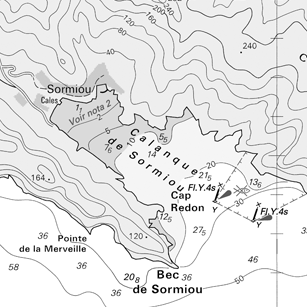
« Sormiou is the calanque that touches me the most because it combines everything I love: a turquoise lagoon, a vast space for swimming, and magnificent seabeds. When arriving by sea, you discover a wide, open panorama that immediately makes you want to jump into the water. For me, it is the most beautiful calanque for sharing a convivial moment and showing passengers the simple and generous beauty of the place. Moreover, it was in these crystalline waters that my grandfather Georges Beuchat tested the world's first isothermal wetsuit in 1953. »
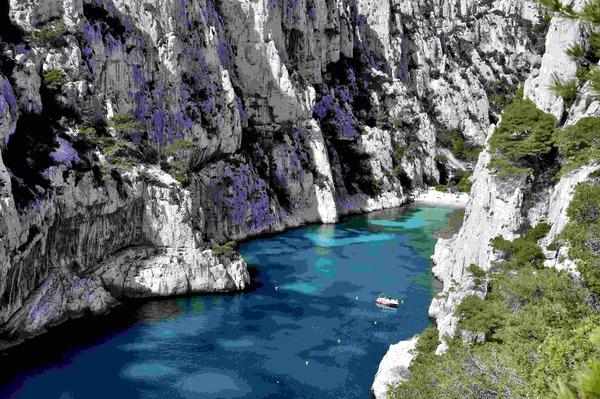 Our skipper Julia has been sailing since she was a little girl and has a weakness for spectacular landscapes. She loves guiding passengers to the most photogenic spots.
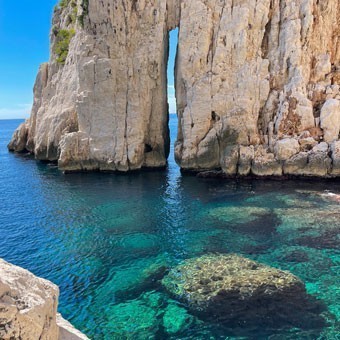
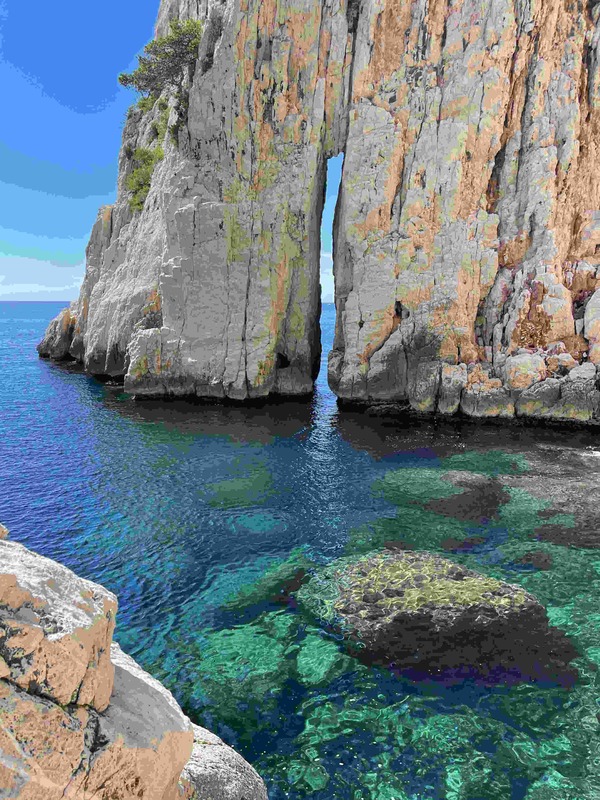
« En-Vau is the calanque that leaves no one indifferent. Its cliffs are spectacularly carved and plunge into water of a unique blue. You truly feel like you are entering a sacred place, protected from the outside world. At every passage, passengers fall silent, just to contemplate… En-Vau, however, imposes a constraint that I always anticipate: shadows gain ground quickly there. To admire its turquoise waters at their brightest, it's best to go early! »
© Photo credit: Christian Chazot
Nico is an adventurous skipper, always enthusiastic about discovering a secret or lesser-known spot for the general public.
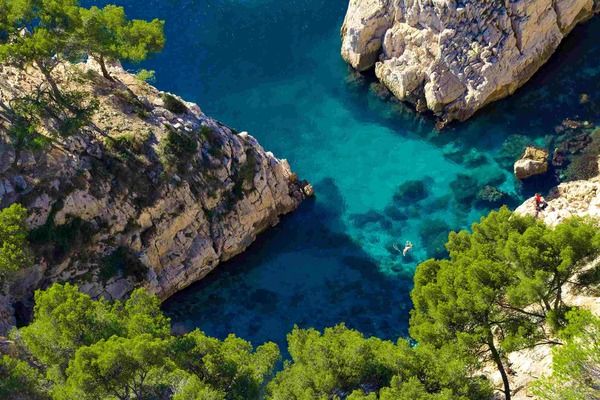
« The Essaïdon fault is a small hidden gem. The anecdote I love to share at the foot of this wall is that of the 'Cannon Shot': during strong easterly swells, the air trapped at the bottom of the fault is compressed by the water, creating a dull detonation and an impressive vertical jet of spray. By boat, we position you at the entrance of this geological fracture to observe the work of erosion. What I love most is that our passengers can swim from one side of the fault to the other: it's a unique experience. »
 Marco has been a skipper for over ten years and knows every corner of the National Park. Passionate about geology, he loves telling the story of the cliffs to passengers.
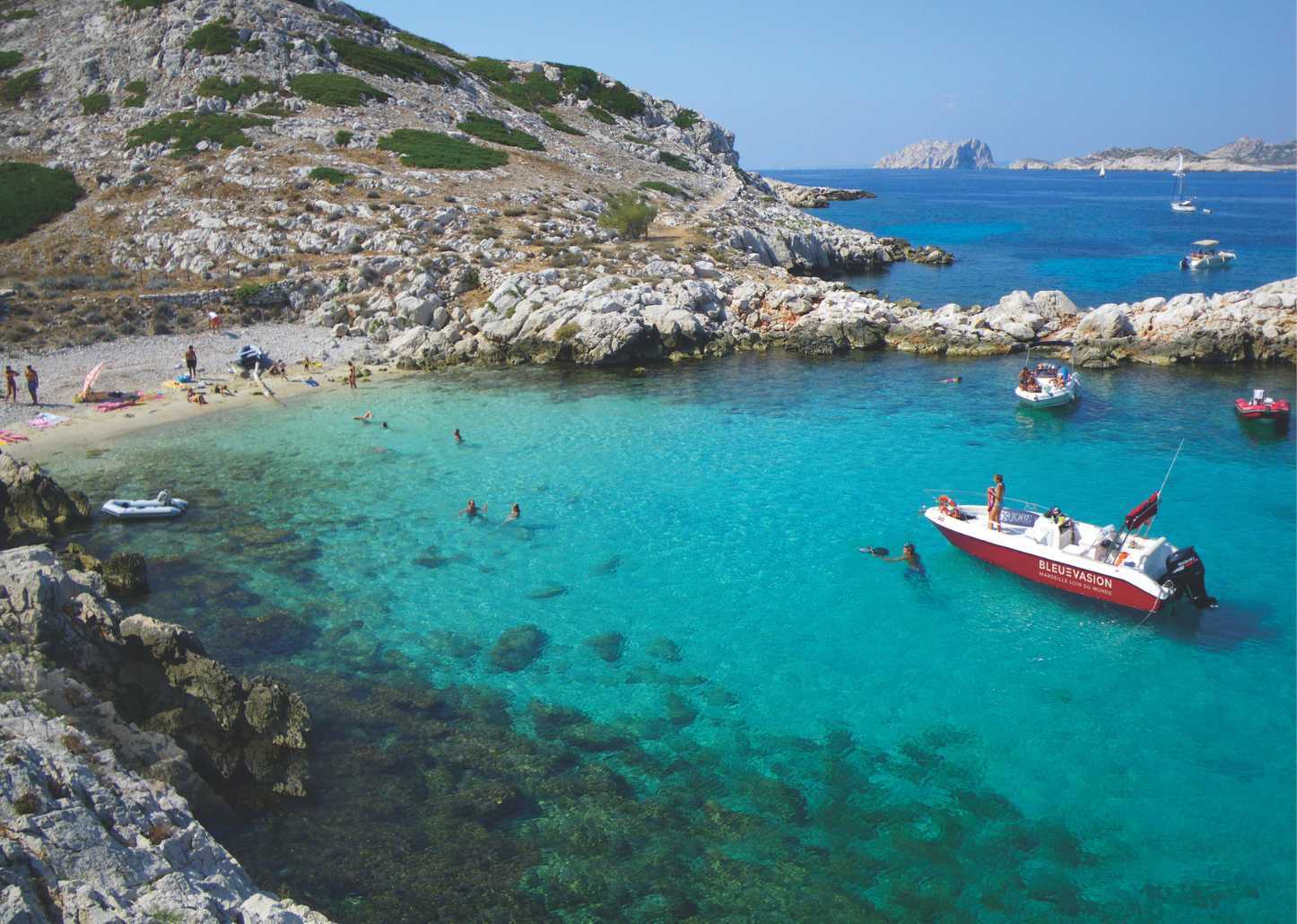
« Sugiton is, for me, the calanque that best represents the wild spirit of the National Park. When approaching by boat, you really feel the power of the landscape and that tranquility that only nature can offer. If the 'Cygne' islet is now universally known as the 'Torpilleur' (Torpedo Boat), it's when approaching by boat that you truly feel the power of this metaphor. »
 Stefan is our explorer skipper: passionate about the remote corners of the archipelago, he loves taking passengers to the most preserved and secret places.
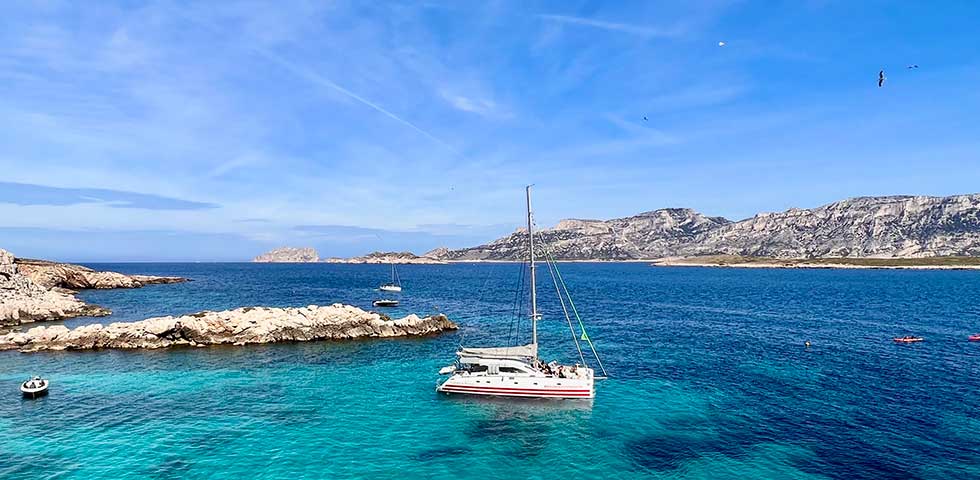
« The calanque of Monasterio is a true haven of peace at the end of the world. At Riou, you feel the wild soul of the Calanques: no dwellings, just the sea, the rock, and the silence. Monasterio offers water of incredible purity and an almost lunar setting. You just have to avoid going there in the afternoon in July-August… It was just a short distance from here, off the island, that a fisherman pulled Saint-Exupéry's bracelet from his nets in 1998, lifting the veil on the disappearance of the famous aviator. »
If the Calanques have inspired authors like Jean-Claude Izzo or explorers like Henri Cosquer, they continue today to reveal their secrets under the eyes of local enthusiasts. Our circuit from Marseille to Cassis has been extensively documented by photographer Christian Chazot, whose shots capture that unique light that makes the National Park famous.
For an unforgettable swim, the Sormiou Calanque and the Riou Archipelago are the favorites. Sormiou offers a vast natural pool with a white sandy bottom that gives the water a turquoise glow worthy of the Tropics. If you prefer more wild and crystal-clear water, the coves of Riou Island (accessible only by boat) offer perfect clarity and depth for snorkeling, far from the sandy beaches.
The secret to escaping the crowds is to favor Calanques that are inaccessible on foot. The Oule Calanque, with its monumental 200-meter-high cliffs, has no beach: it can only be accessed by boat. It is a majestic and often deserted spot. Similarly, the coves of Île Plane or certain corners of the Riou Archipelago offer a sense of total solitude and freedom, even at the height of August.
Without a doubt, En-Vau, near Cassis. It is the 'queen' of the Calanques and the most beautiful in the eyes of many visitors. Very narrow and encased between dizzying walls, it offers a striking color contrast between the white rock, the hanging green pines, and the deep blue water. Arriving by sea provides a spectacular angle for your photos. For a more authentic and 'Marseille' feel, the Morgiou Calanque with its small fishing port and colorful 'cabanons' is also a visual gem.
For the sunset, we favor the Bay of Marseille and the Calanques of the Frioul Islands. Unlike the deep-set Calanques (like En-Vau) which fall into shadow early, Frioul and the Vallon des Auffes area remain exposed until the very last rays. Watching the sun plunge into the sea behind the Château d'If, while admiring the silhouette of the city as it lights up, is a magical spectacle that only an evening boat trip can offer.