

Explore the exceptional biodiversity of the massif through the expert eyes of the Bleu Évasion crews, who have been at the heart of this ecosystem for 18 years. Our knowledge of the terrain allows us to observe the evolution of the fauna and flora throughout the seasons, guaranteeing a level of accuracy that only daily contact with nature can offer. Our boats sail as close to the coast as possible, giving you the best chance to spot the local flora and fauna. Additionally, snorkeling gear—provided on all our boats—allows you to discover the vibrant underwater life. Committed to the preservation of this sanctuary, our skippers know every corner of the Calanques National Park and every species nesting in the cliffs or Posidonia seagrass beds. Take advantage of authentic knowledge, derived from recognized and passionate field experience.
A boat tour of the Calanques is an opportunity to appreciate the wonders that nature has created on the Mediterranean coastline.
All over the world, different animal species settle, survive, and thrive in places that suit them. The distribution of wildlife across the globe depends on factors such as climate, vegetation, and soil composition. The land and the biodiversity it shelters constitute ecosystems that are both unique and diverse. Over the ages, in the Calanques as elsewhere, these natural balances have had to adapt to the intrusion of humans and human activities. The fauna and flora have suffered as a result. Some species have died out, others have adapted in order to survive, and still others have endured these changes without mutation.
The CSRPN (Regional Scientific Council for Natural Heritage) has classified more than a third of the natural terrestrial and marine habitats in the Calanques and Riou archipelago as areas of very high biological interest. These places are therefore home to a large number of plant and animal species, which enhance the Calanques with their diversity.
The Calanques massif is still home to many animal species, many of which are protected. There are 139 protected terrestrial species in total. It is both a breeding ground for remarkable invertebrates and the habitat of 25 species of vertebrates protected by law, 22 of which are considered endangered.
Reptiles are numerous, but they know how to keep a low profile. During the day, these animals shelter under rocks or in the ground to avoid the scorching sun and protect themselves from the oppressive heat. However, if you go for a walk there, you are sure to notice the presence of numerous insects, spiders, and birds of all kinds. The fauna to be observed includes a host of Mediterranean species, including cicadas, butterflies, and other small creatures such as the yellow scorpion and the centipede. You are less likely to encounter mammals, which are present in smaller numbers and often prefer to take advantage of the cover of night to leave their hiding places. The Calanques provide a refuge for many species, but one category of animals is not at home here. The lack of fresh water within the massif does not encourage the development of amphibians.
Here you will find, classified by category, details of the terrestrial animal species most representative of the fauna of the Calanques massif.
Many invertebrates have adapted very well to the arid climate of the Calanques. They are generally small animals that only come out at night and hide under rocks the rest of the time. Most of them are beetles, such as the great capricorn beetle, or lepidoptera, butterflies and especially micro-butterflies. In the valleys, species are more abundant, due to the milder climate. Among the rocks run small yellow scorpions, which are not venomous, but also centipedes, which can be dangerous to encounter.
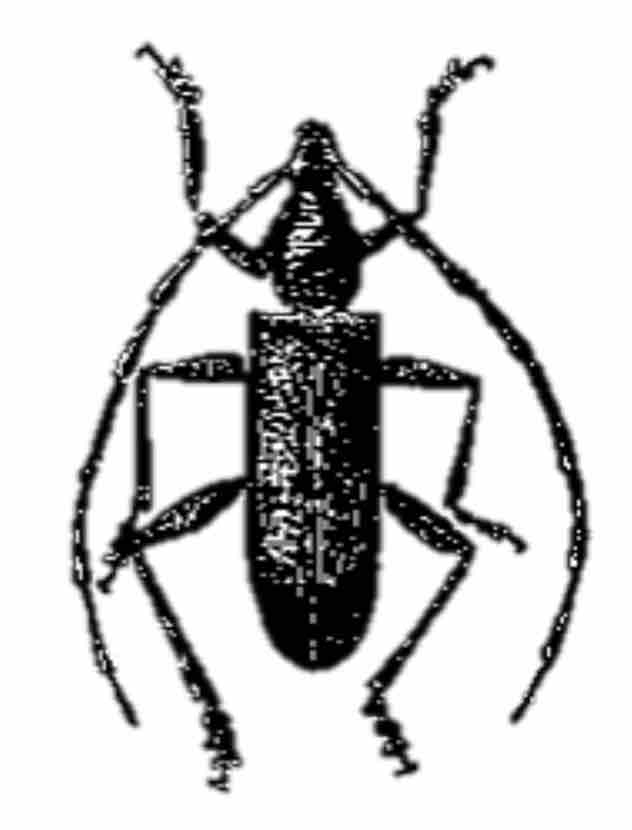 The great capricorn beetle is one of the largest beetles in Europe. Its body length is generally between 2.5 cm and 6 cm, and its antennae can reach 80 mm. The male is larger than the female, which, on the contrary, has antennae shorter than its body. It is black in color, with a brown section at the rear.
This small nocturnal animal reproduces mainly in hundred-year-old oak trees. When it settles in a tree, it digs long tunnels, which eventually cause the death of the plant.
This is an endangered and protected insect, found mainly in the south of France. Its population is very small in other regions. In southern forests, its existence is threatened by recurring fires that damage or even destroy its natural habitat.
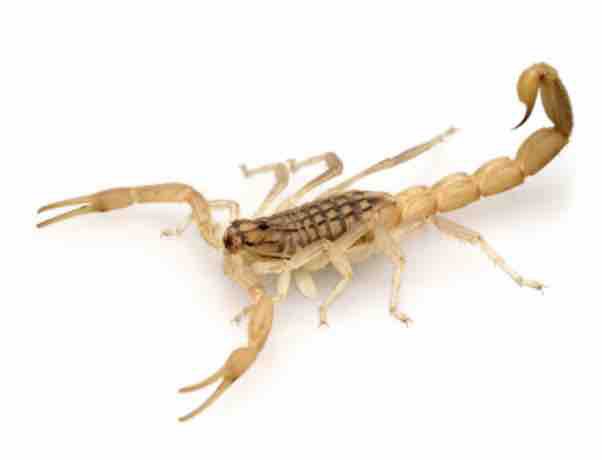 The yellow scorpion is a nocturnal animal found mainly on the right bank of the Rhône. It is sometimes called the Languedoc scorpion, due to its location.
It is the largest scorpion in Europe. It measures between 5 and 9 cm from the tip of its pincers to the end of its tail. The female is usually larger than the male. As its name suggests, it is uniformly yellow.
Its sting, although very painful, is not dangerous to humans. This distinguishes it from its eastern counterparts in Greece and Turkey.
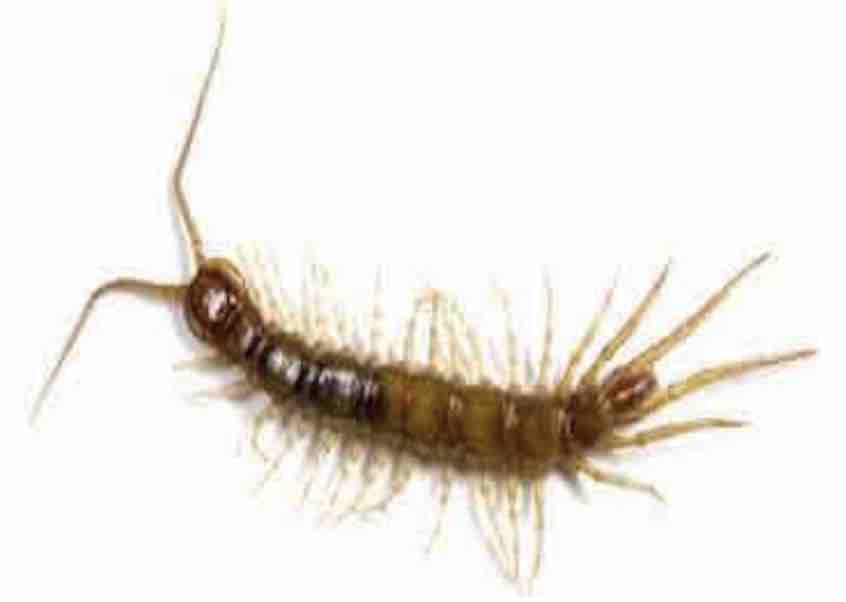 The centipede (Scolopendra cingulata):
The centipede (cingulata) is a millipede measuring approximately 6 to 15 cm in length, found throughout the Mediterranean region. These nocturnal predators like rocky landscapes, where they can hide from the sun during the day.
Its color varies depending on the region in which it is found. The hooks on its belly can measure more than a centimeter, giving it a zigzagging gait.
Unlike the yellow scorpion, it is best to avoid it because its sting injects a venom that can be very dangerous. This can cause swelling, and in some cases, skin necrosis around the sting. They are also very voracious animals, feeding on insects, but also small lizards.
There are other types of centipedes in the world that are even more exotic and dangerous.
Among the large number of species that make up the fauna of the Calanques, there are other remarkable animals such as the ocellated lizard. Some species are very characteristic of the environment, such as the European tree frog and the coastal stonecrop. In general, all reptiles and amphibians found in the Calanques are protected. Among mammals, some such as the badger, are also protected.
In the Calanques, all reptiles are considered protected species. These landscapes attract a wide variety of species. The terrain and the many hiding places it offers are ideal for these small animals to shelter from the sun. Although there are no vipers in the Calanques, there are three distinct types of grass snakes. These harmless snakes can reach a length of 2m. Several varieties of lizards are also found in these areas, such as the ocellated lizard, the wall lizard, and the small gecko.
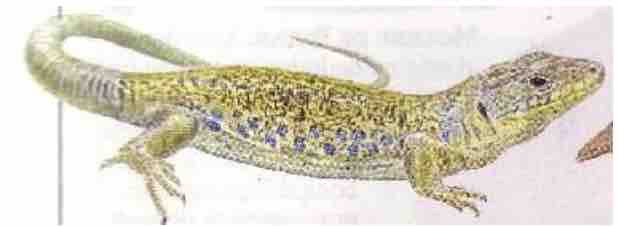 The ocellated lizard is known to be the largest lizard in Europe. It is mainly found in southwestern Europe, in dry, sunny areas with generally sparse vegetation.
This brightly colored reptile is generally between 55 and 70 cm long. It feeds mainly on insects and must escape from snakes and birds of prey, its predators.
Fossils prove that this reptile existed 2.3 million years ago. Today, it is a rare species, currently experiencing a sharp decline in its numbers in Europe. The ocellated lizard is one of seven reptile species threatened with extinction in France. It is protected and cannot be captured.
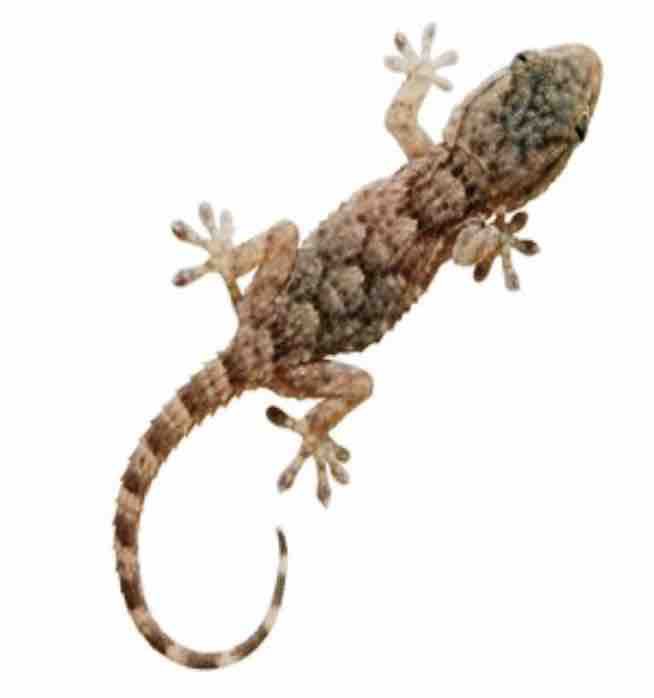
This gecko rarely exceeds 13 cm in length, but its tail is relatively long. Its skin has small protuberances, giving it a stocky appearance. The color of its body varies depending on the temperature: the warmer it is, the darker brown its skin will be. Conversely, when it is cold, it is light beige. It feeds exclusively on insects. It is also a rare species in France.
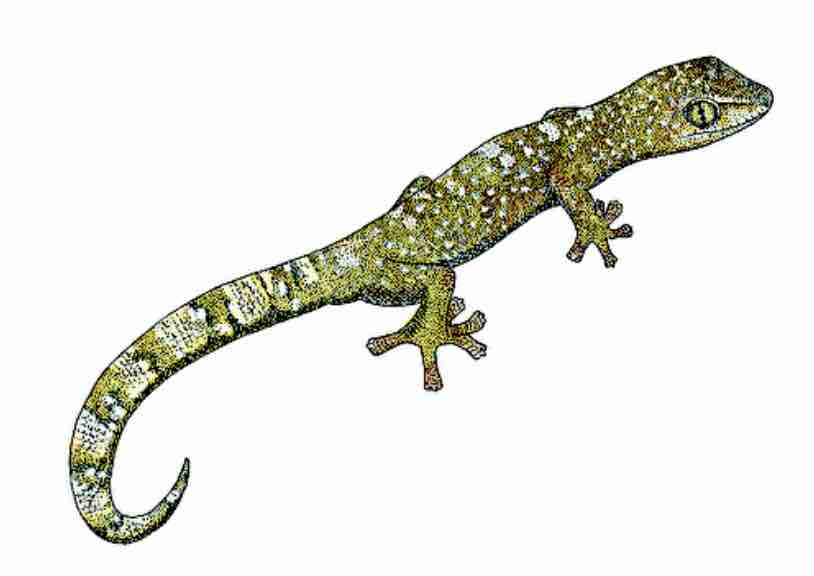 The green lizard is a coastal lizard that prefers to live in rocky environments that are exposed to the sun and sheltered from the wind. It is found in the Mediterranean and its islands.
It is not very large (averaging 7 cm in adulthood), but its color is quite distinctive: it is generally mottled brown, and speckled with light spots. It lightens at night and becomes darker during the day. It also has a short, thick tail that is easily spotted and easy to grasp. It is a nocturnal animal that feeds mainly on insects. It never opens its transparent eyelids. Threatened by fires and urbanization, the phyllodactyl is a protected species.
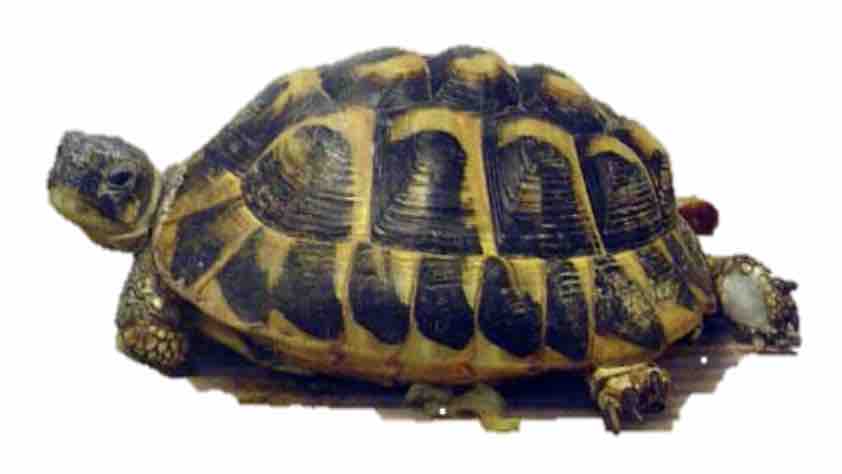 Hermann's tortoise, also known as the Moorish tortoise, is found around the Mediterranean Sea, mainly in France, Spain, Italy, and their islands.
The western subspecies is the smallest. As an adult, it measures between 18 and 20 cm. Its yellow shell is dotted with very dark brown spots. It can be recognized among other turtle species by the black stripes under its plastron.
These animals must constantly adapt to temperature: they cannot tolerate either cold or heat. From mid-November to mid-March, they hibernate. The rest of the time, they carefully choose their activity according to the temperature.
Tortoises live a long time. Their life expectancy is around 40 years in the wild, and generally between 60 and 80 years in captivity. But they face many threats, mainly linked to urbanization, which degrades their natural habitat, and human behavior, which are often harmful to them.
The Hermann's tortoises found in the Calanques are the only land tortoises in France. Although they are very similar, their genes are different from those of their Spanish, Italian, or Corsican counterparts. This subspecies, classified as "endangered," is the most threatened. It is protected by law and was the subject of a national restoration plan in the 1990s.
One category of animal is underrepresented in the Calanques fauna. The Calanques have few amphibians, as this environment is not conducive to their development. They prefer freshwater lakes and more humid regions. However, a few species can be found, all of which are protected.
There are many mammals in the Calanques. The scrubland and pine forests are very popular with shrews, field mice, martens, and black rats. These landscapes also attract wild rabbits, dormice, foxes, and weasels, as well as badgers, a species considered to be endangered. The numerous caves and crevices in the Calanques provide ideal shelter for bats, which like to nest there. The trees are home to many squirrels.
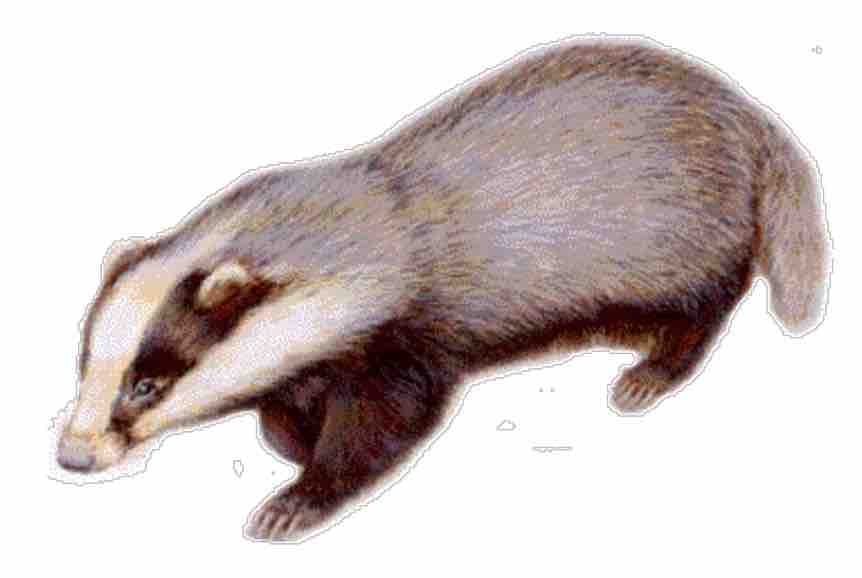
Its rounded body can reach a length of 70 cm, and its tail adds another 20 cm. It is easily recognizable thanks to the long black stripes that decorate its snout.
This animal is mainly nocturnal. It is one of the few mammals that is monogamous. It lives in family groups in burrows that it digs in all types of soil, even the hardest. These tunnels can reach depths of 3 or even 4 meters. In winter, although it does not hibernate, it still burrows into this habitat and greatly slows down its activity.
Its bad reputation among farmers and hunters is due to its diet. Omnivorous, it likes to eat fruits and berries. But its diet also contains a large proportion of mollusks, rodents, insects, amphibians, and even vipers, whose venom is harmless to badgers.
Its life expectancy is around 15 years. It is now a protected species, but in the 1970s it suffered the consequences of burrow gassing campaigns intended to combat the rabies virus. It is also subject to high mortality due to road traffic, hunting, and trapping (which is prohibited in France).
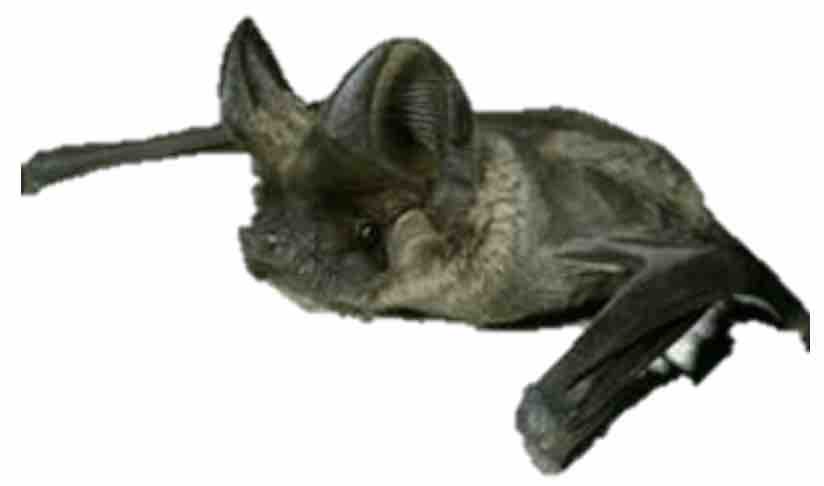 Cestoni's bat is a species of bat whose head shape resembles that of a dog. It is found in Europe mainly in the south of France, the Alps and Corsica, where it seeks shelter mainly in high cliffs and their crevices. It is slightly more common in Asia.
This species is recognizable by its large size (up to 40 cm), but also and above all by its long tail, which is generally more than half the length of its body. Its snout and large ears have earned it the name "molossus," due to its resemblance to a dog.
Cestoni's molosses generally live in colonies, which can number more than a hundred individuals. They feed on insects. To find them, they can fly more than 10km. This species is protected throughout France.
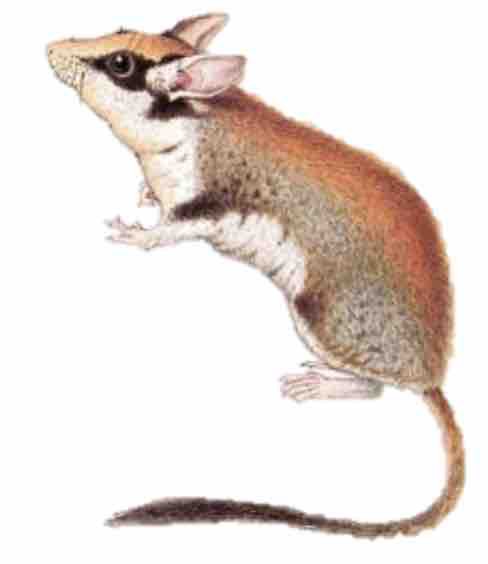
This small rodent's body measures between 10 and 17 cm, barely longer than its tail, which is between 9 and 15 cm long. It weighs between 45 g and 120 g. Its coat is reddish-brown on its back and white on its paws and belly.
It closely resembles the dormouse, but can be distinguished by its more pointed head with a black mask around the eyes and more contrasting colors.
This animal likes wooded areas, but rocky terrain and peri-urban areas are also suitable. It can be found in orchards or abandoned attics. It lives in abandoned bird nests or in a nest that it builds in a bush or tree trunk. It hibernates from October to April in caves, holes in walls, or attics.
The garden dormouse is mainly nocturnal. The diet of this animal, the most carnivorous in Europe, consists of 80% animal prey. It also does not hesitate to engage in cannibalism and devour its fellow creatures when hunger strikes. Conversely, it is preyed upon by martens, cats, and nocturnal birds. Its tail detaches when it needs to escape from a predator.
This species is in sharp decline and is considered highly endangered. The reasons for its disappearance are still poorly understood, but they include the degradation of its natural habitat, as well as light pollution, which disturbs it at night. Despite the threat of extinction, specific poisons targeting the garden dormouse are still sold in France.
The greater horseshoe bat is a bat with a striking appearance. It is now rarely seen in the Calanques area, even though several species of bats live there in large numbers. Protecting their habitat could enable this unusual bat to return.
The Calanques are home to many birds. It is in this mountain range that we find the most species, in greater numbers, and they account for a large part of the fauna of the Calanques. Some of these birds are migratory and stop off in the Calanques, while others stay there permanently. Among all the species recorded, 25 are protected in France, 6 are protected throughout Europe, and 10 are considered endangered.
Among all the species present in the scrubland are the red-legged partridge, the nightingale, the zizi bunting, the ortolan bunting, and the warblers. In the valleys, where the climate is more temperate, you can find the shepherd's wheatear and the serin cini. The pine forests are home to the great spotted cuckoo, while the hoopoe and little owl soar in the open spaces. The heights are the domain of Bonelli's eagle, the peregrine falcon, the eagle owl, and the raven. Among the species that winter in the Calanques are the woodcock, the red-billed chough, the wallcreeper and the alpine accentor.
The area is also inhabited by numerous seabirds, such as the northern gannet and the cormorant. Most feed at sea, as do Yelkouan shearwaters, but the yellow-legged gull, the most common species in the Calanques, prefers to feed in landfills.
The Riou archipelago is home to a large number of rare species: the peregrine falcon, the Eurasian eagle-owl, the Cory's shearwater, the Mediterranean shearwater, the storm petrel... Even more remarkable, the archipelago is home to the only colony of European shags in mainland France.
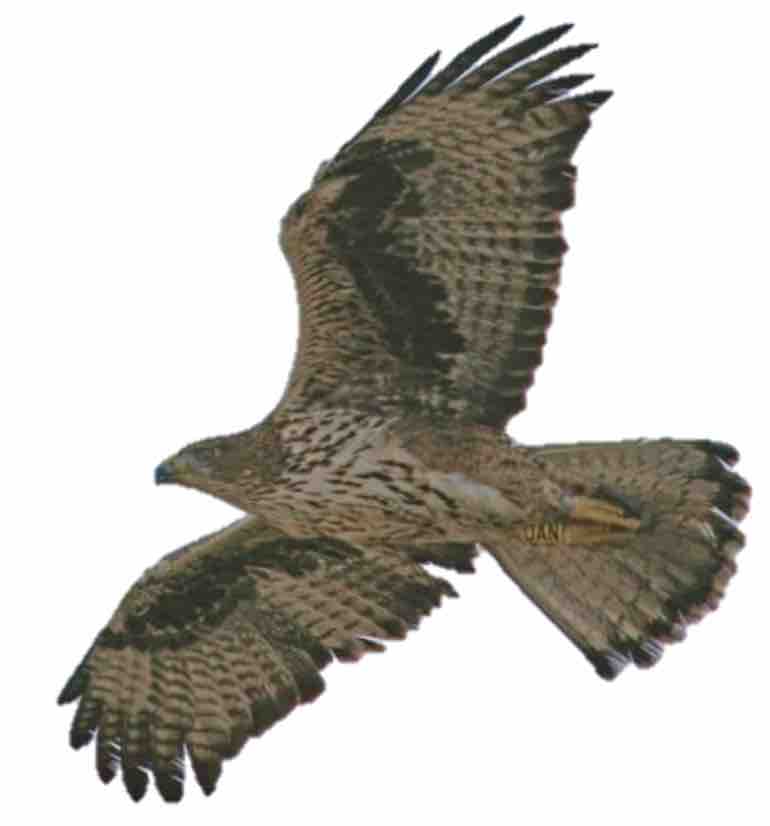 This bird of the Accipitridae family is found in the Mediterranean and Asia. France, where it is only found in the south, is the northern limit of its global distribution.
This bird of prey measures between 60 and 70 cm, and its wingspan is 150 to 170 cm. What makes it visually distinctive is the white patch on its back, which becomes larger with age. It contrasts sharply with the dark color of its wings. The rest of its body is white.
It likes rocky areas at low altitudes, but is often found in valleys and plains in winter. Its presence in the Calanques dates back more than 200,000 years. Fossils dating from this period have been found in the limestone cliffs.
This endangered bird is one of the most threatened birds of prey in France. Only thirty pairs remain, one of which lives in the Calanques National Park. It is suffering from landscape changes and human activities that disrupt its way of life. Electrocution is the leading cause of mortality. It has been protected in France since 1981 and has been the subject of several restoration plans.
The Cory's Shearwater is a gregarious seabird belonging to the Procellariidae family. Ninety percent of the European population of Cory's Shearwaters spends most of the year at sea and on islands and rocky coasts between April and August, the breeding season. It is mainly found in the Mediterranean and northwestern Africa. In the Calanques, this species is strongly represented, as 30% of France's Manx shearwater population is found there.
With a height of 45 to 55 cm and a wingspan of 1 to 1.25 m, this bird can be considered relatively large. Its entire body and head are gray-brown in color, while the tips of its wings and tail are almost black. Its belly and the underside of its wings are white. It has webbed feet, which are pink in color.
The European shearwater is mainly nocturnal. It feeds mainly on marine animals such as fish and crustaceans. It hunts at night, skimming the waves, dipping its beak into the water to catch its prey in mid-flight. It can also dive to a depth of 4 or 5 meters, but rarely does so.
Humans do not protect the Cory's shearwater. This bird and its eggs are hunted for consumption. In addition, coastal tourism and urbanization are causing degradation of its nesting sites. Between the 1970s and 1990s, their numbers declined significantly, and this decline continues in Spain and Italy. It has been a protected species in the European Union since 1979, despite its classification by the IUCN as of minor concern.
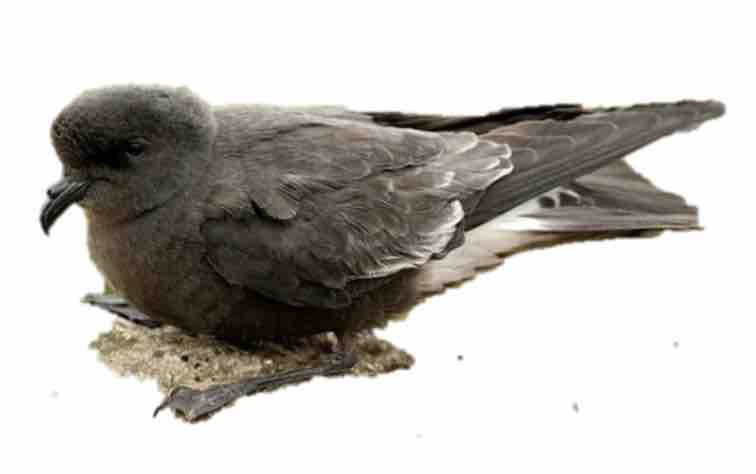
This is the smallest seabird in Europe, with a body length of 14 to 17 cm and a wingspan of 36 to 39 cm. Its entire plumage, as well as its legs and beak, are black, but a white line runs across the underside of its wing. This small bird flies very close to the surface of the sea, giving the impression that it is running on the water. It feeds mainly on the surface, on plankton and small fish waste, which it locates by smell and catches in flight.
Very discreet, due to its size and nocturnal habits, it is rarely visible from the coast, except in the event of a violent storm. However, it is very present at sea and often follows boats, especially when the wind picks up, as their hulls offer protection from the wind. For this reason, it is believed to be a harbinger of storms, hence the name storm petrel. The term petrel refers to the Oceanids, who, according to Greek mythology, were sea nymphs.
The storm petrel always stays at sea, returning to land only to breed. It chooses rocky islands and cliffs overlooking the sea to build its nest. The approximately 20,000 members of the Mediterranean subspecies are generally sedentary, but some of these birds still migrate as far as the Black Sea.
The current record for the longevity of this bird is nearly 34 years. Populations living in the Mediterranean have experienced a significant decline in numbers in recent years. They are under attack from predatory mammals that were accidentally introduced to the islands where they nest. In addition, marine pollution is another threat to them, making them susceptible to swallowing toxic waste. These animals are currently protected throughout Europe.
The yellow-legged gull, more commonly known as Gabian in Provence, is the most common species of seabird in the Calanques massif. In Marseille, their population is estimated at 23,000 pairs, and this figure is only increasing (by about 10% per year). It is mainly found in the Mediterranean, but sometimes breeds on the cliffs of the French Atlantic coast or on rocky islands near the coast.
It is often between 56 and 68 cm in length, with a wingspan of 140 to 155 cm. Its coat and wings are gray, while its tail and belly are white. During winter, its head also takes on a white hue. Its legs are yellow and the tips of its wings are black.
It gathers in large colonies and nests on the ground in natural rock cavities or in hollows formed in the sand. Between March and April, during the breeding season, this bird can be very aggressive towards curious people who get too close to their nests.
This bird's diet traditionally consists of small fish and baby birds. However, human behavior and today's consumer society have led to a change in their eating habits. Today, they feed largely in landfills and on waste discarded by industrial fishing boats. The ease with which it can feed is one factor that explains its rapid expansion.
Although this species had almost disappeared at the beginning of the 20th century, it has made a spectacular comeback in recent decades, to the point where it has sometimes become too invasive. It is colonizing inland areas due to a lack of space on the coastline.
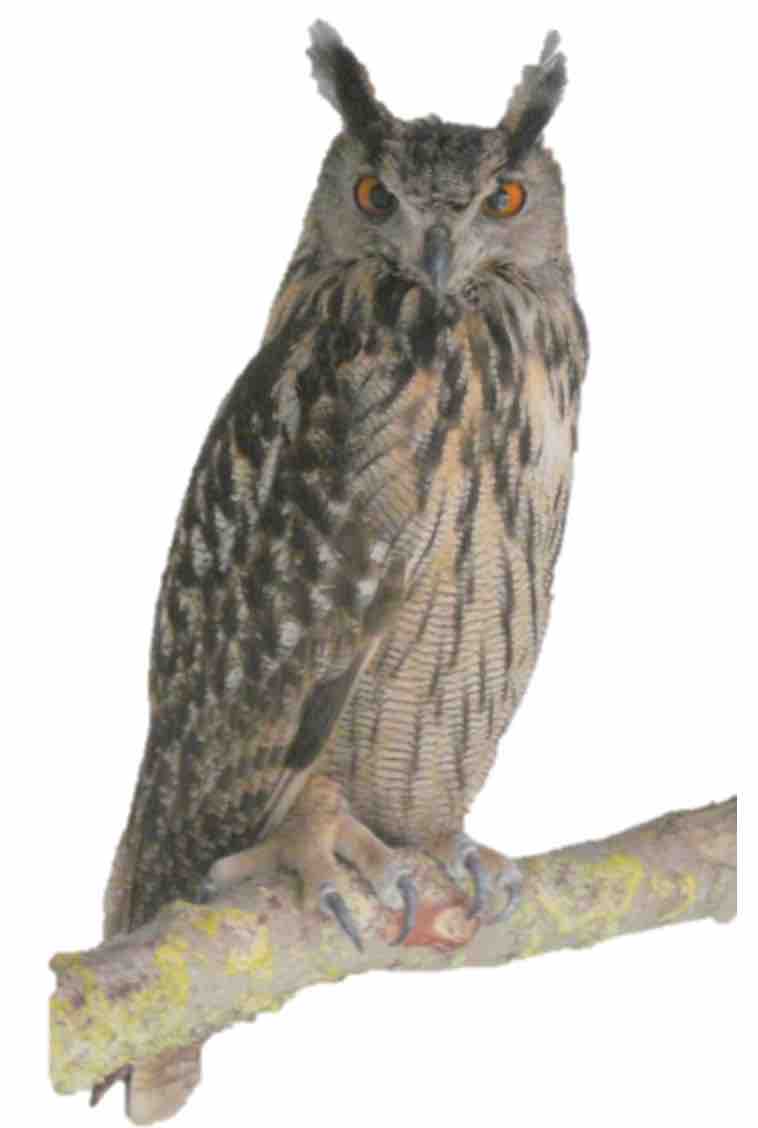
This species of bird, among the largest and most powerful in Europe, averages 65 to 75 cm in height. Its large wingspan (160 to 188 cm) and short tail make it easily recognizable in flight. Its reddish-brown plumage is speckled with dark brown spots on the upper side and streaked with small lines of the same color on the underside. The fluffy appearance of its feathers makes its flight very silent. On its pointed head, its large orange eyes are topped with 8 cm long tufts, slightly bent backward. The bird raises them when it feels disturbed or excited.
Its diet is very varied: rodents, rabbits, birds (seabirds and others), hedgehogs, and even other birds of prey. It likes to settle in the mountains, as well as in the plains, with a preference for cliffs near lakes.
In the wild, the eagle owl has a life expectancy of around 20 years. It was long hunted in Europe due to superstition. It was said to be a bird of ill omen, or it was nailed to barn doors to receive divine protection. Since the 1990s, its importance in ecological and agronomic terms has been recognized. It has been protected from hunting in France since 1964 and has enjoyed total protection throughout the European Union since 1981. However, it remains threatened by the degradation of its natural habitat and the use of agricultural pesticides and rodenticides. Road traffic is also a major threat to the species. In the Calanques, a pair of eagle owls nest on the Riou Archipelago.
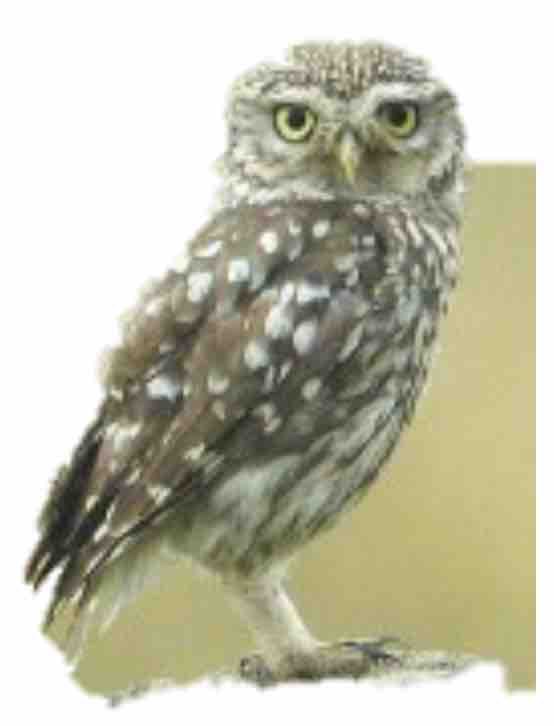
Small (26 cm on average), round and stocky, this owl is recognizable by its white, furrowed eyebrows above its yellow eyes, which give it a stern look. Its plumage is shades of gray, its belly and legs are white, and its head is adorned with small white spots. Its call, clear and brief, is easily recognizable. During its undulating flight, it spreads its wings, giving it a wingspan of about 60 cm.
This owl can be seen both day and night in the orchards it loves. It has earned the nickname "apple tree owl" because it often builds its nests there. It feeds mainly on insects, lizards, and small mammals, and sometimes attacks small birds.
This owl takes its name from the Greek goddess Athena, whose emblem it was. A symbol of knowledge, it later became the symbol of the city of Athens.
Its lifespan is about 9 years in the wild. The number of little owls declined sharply during the 20th century. Road traffic is the main cause of mortality, but these birds also have to cope with changes in agricultural practices that affect their habitat. It has been protected in France since 1981 and is currently the subject of a repopulation policy.
The peregrine falcon is a bird of prey known for its rapid dives (which can reach speeds of 400 km/h, but are more commonly between 130 and 184 km/h). They are the fastest birds in the world.
There are around twenty subspecies, spread over more than 10,000,000 km² across all continents (except Antarctica). The inhabitants of Riou Island have traditionally been very interested in these animals, as they have been capturing and breeding them since the Middle Ages. The island is now home to four pairs of peregrine falcons.
Its back is dark gray; its cream-colored belly is adorned with black markings. On its head, the cheeks are white and a black spot sits above its beak, which is short and curved at the base. The female is larger than the male, reaching up to 54 cm in height and 113 cm in wingspan. It is the female that is referred to when talking about peregrine falcons, the male being called a tiercel.
The peregrine falcon prefers open, sparsely wooded areas, such as mountain cliffs or seaside cliffs. However, they are increasingly found in urban areas, on tall buildings. They do not live in groups. Each pair ensures that they remain at least 1 km away from the nearest pair in order to maintain a sufficient feeding territory. It feeds almost exclusively on birds of varying sizes and sometimes attacks small land mammals. Conversely, it is hunted by large birds of prey, such as the eagle owl, and certain mammals such as the wildcat and the fox.
In France, this animal is sedentary and mainly found in the Vosges, Pyrenees, and Massif Central. In spring, males can be seen performing aerial acrobatics to attract females. In 2004, the LPO estimated that there were 1,500 pairs in France.
This animal is widely represented in religions and mythologies. In Egypt, it was the representation of the god-king Horus. It is also the symbol of several other deities in Scandinavian, Slavic, and Fijian mythology.
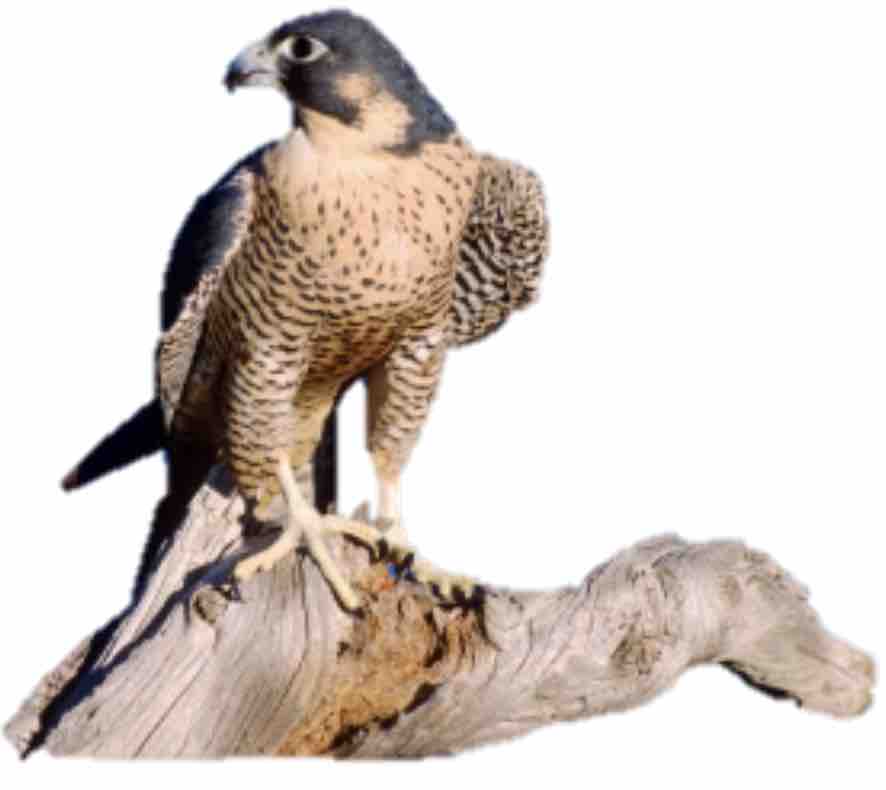 In the wild, peregrine falcons have an average life expectancy of 15 years. At the end of the Second World War, due to soil and prey contamination with DDT, their numbers declined sharply in Europe and the United States. In addition, people often hunted them, considering them pests. After nearly becoming extinct, their populations are once again expanding in Europe and North America. In France, the animal has been under full protection since 1976. In Europe, it is subject to maximum protection. However, at the global level, the IUCN considers that this bird, with a population of around 100,000 individuals, is not threatened. Some subspecies, on the other hand, are endangered, and some areas are now home to only a few pairs. The main threats to its survival are hunting, poaching, the degradation of its habitat and that of its prey, as well as the emergence of cliff-based leisure activities, which disturb their breeding areas.
We cannot talk about the fauna of the Calanques without mentioning marine animals. The sea around the Calanques is home to a wide variety of living organisms. Unlike the Atlantic coast, the continental shelf does not extend over a very long distance, depths of 1,000 meters are quickly reached. These areas are home to many fish and other marine mammals! However, underwater life varies depending on the penetration of sunlight, which reaches depths of up to 100 meters in the Calanques. The living space for many species is therefore reduced, restricted to near the surface. But the biological diversity is still exceptional in the Calanques, and a wide variety of marine species swim among the shipwrecks and other historical remains that this sea conceals.
As on land, the abundance of flora allows for diversity in fauna. Posidonia seagrass beds play a role in the depths of the sea similar to that of forests on land: they provide shelter and food for many species. Thanks to their existence, large quantities of oxygen are produced and life flourishes around them. But this plant is very sensitive to pollution caused by industrial and urban waste, maritime traffic from oil tankers, and the growing summer population pressure that goes hand in hand with increased waste and recreational boating. There is therefore cause for concern for underwater fauna.
The fauna of the Calanques includes 40 protected marine animal species. Among these animals are the grouper, the newt, the corb, the lobster, the sea cicada, the denti, and the spotted seahorse. Among the jewels that adorn the seabed, we can also mention protected species such as coral, purple sea fan, giant fan, and Neptune's lace. In addition, alongside the many fish, numerous octopuses and gorgonians live on the seabed, often preyed upon by larger species.
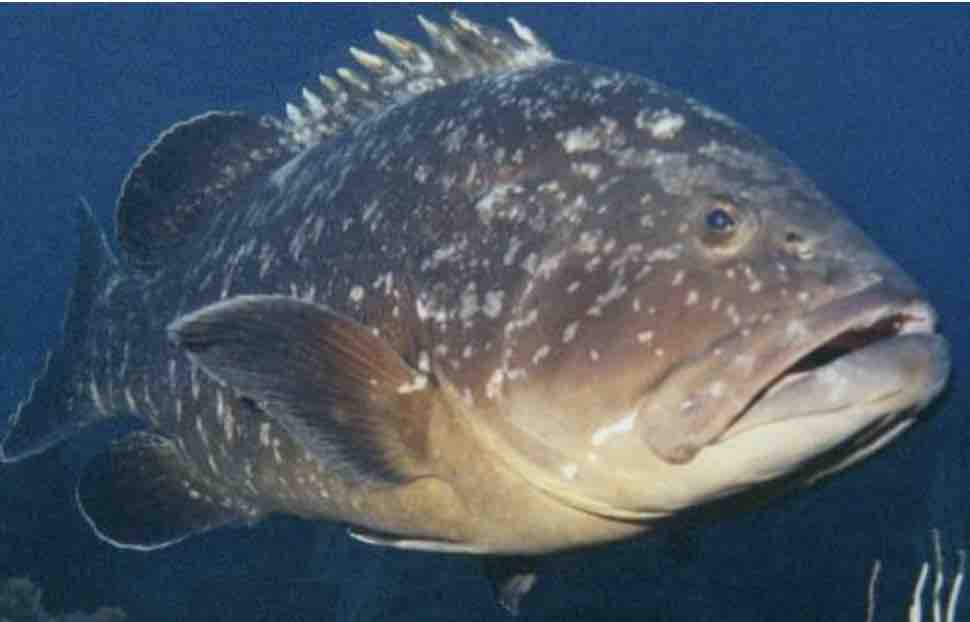
The grouper is solitary by nature. It lives in rocky areas at the bottom of the sea, at depths of up to 200m. This habitat, as well as the ease with which it can be approached, make it a fish that is very popular with divers and photographers. It is probably the most publicized fish in the Mediterranean Sea.
Not very shy, this animal is easily caught in fishermen's traps. For this reason, overfishing has almost caused it to disappear from the Calanques. It is considered to be endangered. But since France established a moratorium on fishing, its presence on the coast has increased.
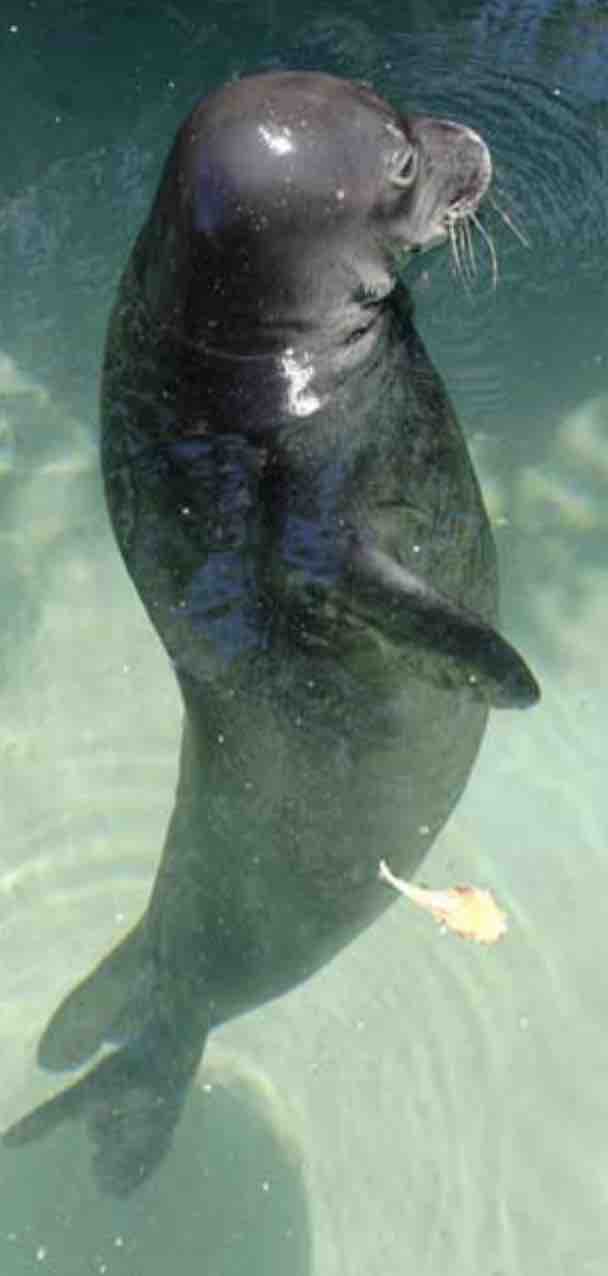 The Mediterranean monk seal is a marine animal belonging to the pinniped class. It is the most endangered of the pinniped species, and its existence is considered critically endangered. Highly sensitive to the pollution that affects the waters of the Calanques, it has virtually disappeared from the area.
The monk seal is 1 to 4 meters long and weighs between 400 and 600 kg. Its smooth skin is entirely gray. Its diet consists mainly of fish, cuttlefish, octopus, crustaceans, rock lobsters, and lobsters, but it also feeds occasionally on seaweed.
Today, there are no more than 700 monk seals in the Mediterranean Sea, from the west coast of Africa to Madeira. This animal was once abundant in these waters, but pollution, the depletion of its natural habitat, and above all hunting have been devastating for this species. Along the French coast, monk seals were fairly easy to find until the 1930s, and even into the 1970s around Corsica. Today, it is a rare animal, difficult to spot in the Calanques.
The bottlenose dolphin, also known as the blowfish or Tursiops, is a cetacean belonging to the Delphinidae family. They are found in all the world's seas, and it is not uncommon to see them off the coast of Marseille, Cassis, or La Ciotat.
There are two types of bottlenose dolphins: some have a coastal lifestyle, while others prefer the open sea and live around oceanic islands. The first type is migratory, while the second is sedentary. In the oceans, dolphins dive to depths of up to 200m for 15 minutes; along the coast, they dive to 30m for 4 to 5 minutes.
The dolphin's body is colored with shades of gray on its back and white on its belly. It measures on average between 2 and 4 m and weighs 150 to 400 kg, with males being larger than females. In addition, oceanic dolphins are more robust than coastal dolphins. Its easily recognizable "smile" is due to the folds around its beak and the limited movement of its jaw. The fatty bump on its forehead (the melon) allows it to emit ultrasound and make the shrill cries that are characteristic of this species.
Bottlenose dolphins live in groups, usually with 1 to 5 of their companions. These groups are made up of females and their young, occasionally joined by males. They also enjoy the company of other cetaceans. Some can be found traveling alone, especially males. Living in groups offers them protection from predators.
This animal has a reputation for being very intelligent. Its brain is comparable to that of a human. It can understand very abstract concepts such as mathematics and devise complex escape strategies when it feels threatened. It also has a highly developed sense of hearing. To hunt, dolphins use echolocation, emitting ultrasonic sounds. They feed mainly on fish and cephalopods. They are very opportunistic animals, which do not hesitate to swim near fishing boats in the hope of catching a few fish. Conversely, they are hunted by large sharks and some killer whales.
Males live up to about 30 years, and females generally reach the age of 40. Although this species is not particularly endangered, and on the contrary is well represented in the Mediterranean, its population size is declining. Among the explanations for this are hunting, particularly in Japan and the Faroe Islands, capture in tuna fishing nets, marine pollution, coastal urbanization which reduces its habitat, and noise pollution, which disorients it and can cause it to strand itself.
The mantis shrimp is a crustacean of the Scyllaridae family. If land cicadas are an emblem of Provence, mantis shrimp are an emblem of the Mediterranean.
Their shells are flatter than those of lobsters. They have no claws and their antennae are short and broad. In France, there are two species of mantis shrimp: the small mantis shrimp (Scyllarus arctus) and the large mantis shrimp (Scyllarides latus).
Both species live in the Mediterranean Sea and feed on mollusks, algae, and isopods. The small mantis shrimp rarely grows longer than 12 cm. It burrows into the sea to a depth of up to 30 m, where it is found in rugged coastal areas and sea grass beds. In the Atlantic, it can even settle at depths of 100 m. The large mantis shrimp can reach 50 cm in length. It is mainly found between 2 and 100 m deep, in rocky and sandy areas. Overfishing has led to the scarcity of the greater forkbeard in the French Mediterranean. For this reason, it is now fully protected and its capture is strictly prohibited.
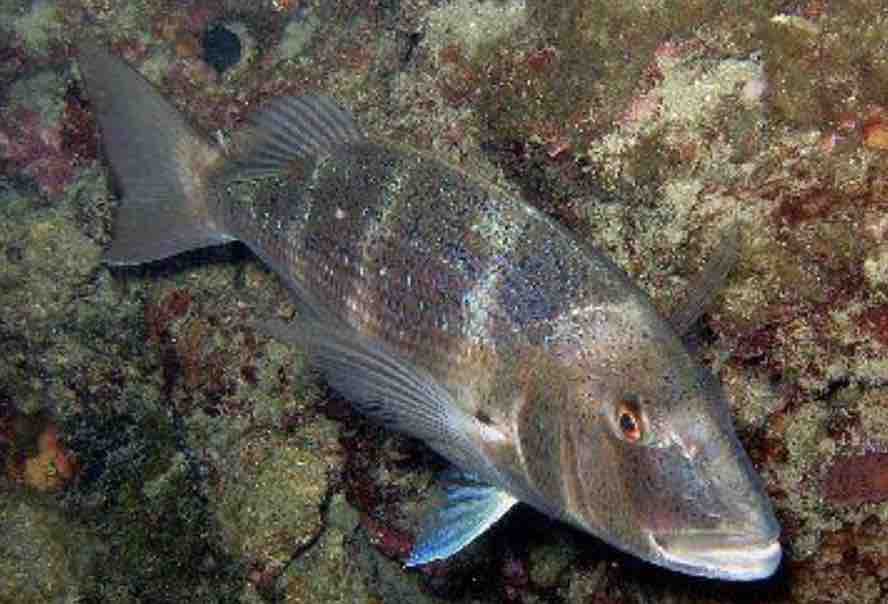
This relatively large fish can grow up to 1 m in length. Its body is silvery, with blue and pink highlights on its back. Its massive head is topped by an almost straight forehead. The two pointed canines at the front of its lower jaw make it easily recognizable.
It is a solitary species, often found between 15 and 50m deep, and can descend to 200m. It hides in seaweed beds, as well as in wrecks or rocky bottoms. It is a large predator, hunting on the seabed. Its diet consists of fish, cephalopods, and crustaceans.
In recent years, increasing numbers have been found in Upper Corsica, where a school of 100 fish was observed in July 2007. Schools of around thirty specimens are beginning to move around Port-Cros.
The spotted seahorse is a small fish, unusual in its shape and lifestyle. It is found in the Mediterranean and Atlantic, and more rarely in the English Channel.
It can reach a length of 15 cm. Its body is yellow or brown in color and speckled with white spots. Bony plates under the skin replace the usual fish scales. Its head and body form a 90° angle, allowing it to maintain a vertical posture. It has a long snout, which generally exceeds one-third of the length of its head. Its body has about fifty rings, at the end of which is a long, tapered tail with a curled tip.
The seahorse uses its tail to cling to seaweed or Posidonia seagrass, where it lives. It spends most of its time there. It moves very slowly, waving its dorsal fin or crawling with its tail. They are generally found at depths of up to 10 meters, but in the Mediterranean they can be found at depths of 30 to 40 meters. They use their mouths to suck up the small organisms they feed on, mainly copepods and small crustaceans. Unlike most animal species, it is the males that carry the eggs in a ventral pouch. Seahorses are protected in the Mediterranean.
Coral is a marine animal species belonging to the Corallidae family, whose beauty has long been renowned in the Mediterranean Sea. For centuries, this "red gold" has been used in the manufacture of jewelry and decorative statuettes, particularly in Italy. But today it is gradually disappearing.
Red coral gets its name from the red to orange color of its calcareous skeleton. There are also some with a more pinkish hue. This small invertebrate animal is often confused with a plant, as its appearance is reminiscent of a shrub. It forms tree-like colonies, branching out in all directions. These generally measure between 5 and 20 cm. Today, they are much smaller than those found in ancient times, due to overfishing and their extremely slow growth. It takes about ten years to grow just 3 cm.
Red coral, which requires little light to survive, attaches itself to the dimly lit walls of cliffs or caves or in rocky depths. The eight white tentacles that extend from the base of its mouth are used to gather food from plankton: eggs, larvae, small crustaceans, etc. The coral also needs clear, rough water with an average temperature of 15°C to grow. Its existence in the Mediterranean Sea is therefore limited. The species found there is very different from the coral found in warm seas, which is easier to find but also more porous, and cannot be used to make sculptures or valuable jewelry.
Although this animal has an impressive lifespan (between one and several centuries), overfishing by ever more efficient coral harvesters has made it quite rare. Locally extinct or endangered, it has been protected in France since 2011, up to a depth of 50 meters. Red coral used to be found at depths of 30 to 40 meters. It is now harvested in the northern Mediterranean at depths of 100 to 200 meters.
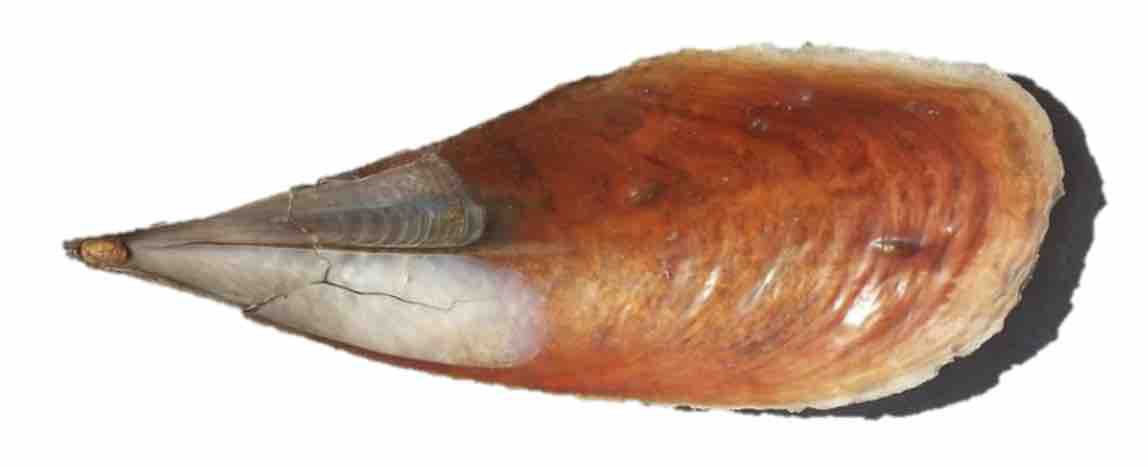
Capable of exceeding 1 m in length, it is one of the largest shells in the world. It is found stuck vertically in sandy bottoms. It is often covered with Posidonia seagrass. Crustaceans often live inside its bipartite shell.
It used to be very common along the French coastline. But pollution, the degradation of Posidonia seagrass beds, and harvesting by unscrupulous divers in search of original souvenirs have almost completely decimated it. It has therefore been protected in France since 1992, and fishing for it is strictly prohibited.
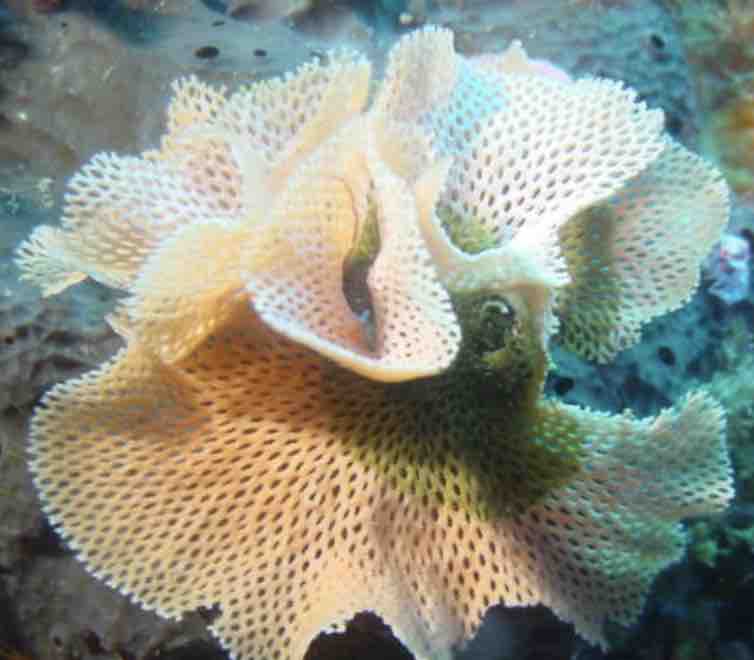
Pink in color, sometimes verging on pale yellow, this animal evokes lace with its fragile structure of fine, wavy blades. This colony (zoarium), measuring between ten and twenty centimeters, is formed by numerous individuals (zoeciae). At the base, these are more condensed.
This species does not like light and settles in shady places, from the surface to a depth of 50 meters. These can be caves, cavities, rocky overhangs, etc. The fragility of Neptune's lace explains why it is generally found sheltered from strong currents.
The Calanques massif is a unique ecosystem. The soil consists of limestone, with little earth present. Plants grow their roots in the cracks and crevices of the rock. The climate is arid, with recurring periods of drought. Most of the moisture comes from evaporation from the sea and from short but heavy autumn and winter rains. The plant species found here must therefore be adapted to this climate, such as multiflora heather, laurel, sarsaparilla, and kermes oak. The limestone formation of this territory also makes it long and difficult for plants to recover after a fire.
The presence of abundant and varied flora is essential for the development of fauna. This is the case in the Calanques, where there are more than 900 different plant species. These 900 species constitute one-fifth of those known in France, and twenty-two of them are protected at the national or regional level, while nineteen are considered very rare. According to Natura 2000, nearly half of the marine area of the Calanques is of European interest. There are also twenty-six natural habitats and forty mixed habitats, grouped into four major categories: rocky habitats, forest habitats, open habitats, and coastal habitats.
Aleppo pines cover most of the massif, but there are also very rare species, such as Astragalus maritimus and Lycoris radiata, and very localized species, such as Ammophila arenaria and Sedum littorense. The latter is only found on the coastal rocks of Marseille, and Ammophila arenaria only grows between Marseille and Toulon. Very present in the Calanques massif, it has almost become a symbol of it.
Closest to the sea, there is halophilic vegetation, which is not bothered by the salt in the sea spray. Examples include rock samphire, a yellow flower, and sea lavender, with blue flowers. In the valleys and at the top of the cliffs, there are thermophilic plants that seek warmth, such as wild olive trees. Among the most common plants in the Calanques are the kermes oak, the Phoenician juniper, and rosemary. In the depths of the sea, you can see Posidonia, a flowering plant that covers the Mediterranean and is threatened with extinction.
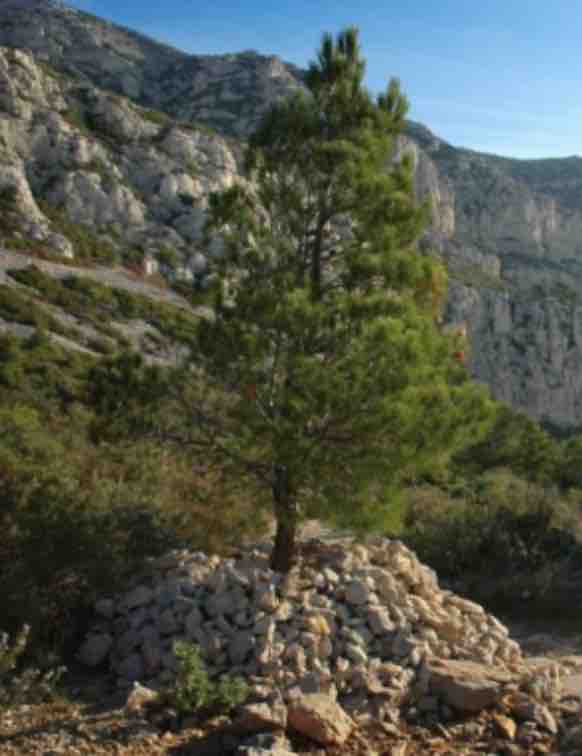
This tree generally reaches a height of 20 to 30 meters. It often appears bent, and its crown is irregular and sparse. Its bark is initially smooth and silvery gray in color, then becomes cracked and gray-brown in hue. At the ends of the thin branches are clusters of green needles, which are flexible and sharp, 6 to 10 cm long. On these trees, the male flowers are red, while the female flowers are purplish pink. The fruits are large cones measuring 6 to 12 cm, light brown in color. They remain on the tree for several years before falling.
It is the only large tree that grows easily in the poor soil formed by limestone rock. It can withstand semi-desert regions, such as Libya, but cannot tolerate snowfall and long periods of frost. This tree is therefore well suited to the Mediterranean coastal landscape, where it covers 202,000 hectares.
It is home to various animals, such as cicadas, squirrels, field mice, and caterpillars.
Coastal stonecrop is the rarest species of stonecrop. It is found exclusively in the Calanques of Marseille. This small plant is protected by regional law. Very discreet, it often goes unnoticed among the cracks in the rocks and scree, despite the vermilion color of its buds. This plant flowers from April to May, producing clusters of small white flowers.
Provence sandwort, or Gouffé grass (Arenaria provincialis or Gouffeia arenarioides)
Marseille sandwort is a plant that is almost emblematic of the Calanques. It grows only in the limestone areas stretching between Toulon and Marseille, and has therefore been considered a rare species since 1997. It is protected by French law and European conventions. This small plant (10 to 30 cm) flowers every year in April and May. Its white flowers have five petals and its fruit consists of two valves, topped with two teeth. It has small, elongated leaves that always grow in pairs facing each other.
Sea lavender is a bushy plant with a woody stem that can grow up to 1.20 m tall. It is one of the flowers that still grows in large quantities in the Calanques. It grows in limestone scree and on hot, dry rocky terrain. It flowers from January to June, revealing five pale pink to bluish-pink petals. Its fruits are capsule-shaped. This rare plant is protected at the national level, and picking it is prohibited.
Protected at the national level, this plant is a species whose existence is limited to the sandy and rocky terrain of the Marseille coastline.
Astragalus forms a small, very thorny bush, which generally does not exceed 30 cm in height. It flowers from February to May. Small white flowers appear, sometimes with a slight purple tint.
It is very common in the Calanques on the Frioul Islands, but these plants are aging. Pollution and the increasing presence of nitrates in the soil are damaging this plant, which is already weakened by trampling.
Other plant species found in the Calanques include
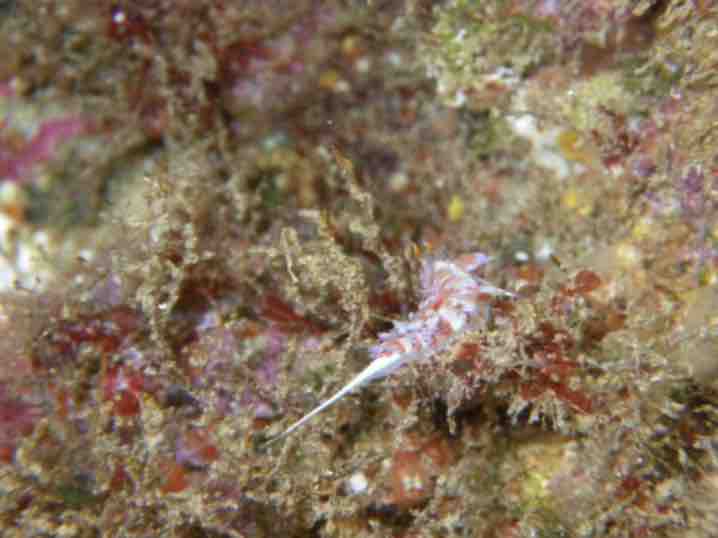
Although it lives underwater, Posidonia is not an algae, but a flowering plant that produces fruit. Its large ribbon-like leaves can grow up to one meter long. They grow in clusters of 6 to 7 leaves. Posidonia flowers in the fall and then produces floating fruits in the spring, commonly known as olive di mare (sea olives, in Italian).
This plant can tolerate temperatures ranging from 10 to 28°C, but requires a fairly constant salt level and high light intensity. This is why it is rarely found at river mouths.
Posidonia seagrass beds are essential in many ways. As a major ecosystem in the Mediterranean, the European Union has declared them "sites of Community importance." They play not only a major role in protecting the beaches and coastline of the Calanques massif from erosion and consolidate the coastal seabed by slowing down the transport of sediments in the water, but also provide shelter and food for many marine organisms, animals, and plants. In addition, each square meter of seagrass bed releases 20 liters of oxygen every day, which is essential for underwater life and its biodiversity.
Despite awareness of the importance of these seagrass beds, which have been protected since 1988, their size continues to decline throughout the Mediterranean. This phenomenon is increasing every year, due to growing demographic pressure, which leads to increased water pollution and damage to the seabed caused by fishing, boating, and water sports activities. In addition, the construction of breakwaters has a detrimental effect on seagrass beds, as it leads to changes in sedimentation. Finally, seagrass beds are also threatened by the rapid development of two tropical algae accidentally introduced into the sea, which block sunlight and suffocate Posidonia.
The Calanques are therefore a natural treasure trove of flora and fauna. These unique landscapes must be protected in order to preserve their integrity. This is precisely the aim of the creation of the Calanques National Park.
Collective action is obviously crucial to the survival of these landscapes. But on an individual level, nothing is impossible either. Reflecting on your lifestyle is also a way of taking care of the Calanques. Why not, for example, choose public transportation or walking over excessive use of cars? Applied to the Calanques, this could mean making a habit of taking a solar-powered boat rather than a polluting ship.
The Calanques are an earthly paradise given to us by nature; it is up to us to protect its biodiversity, which makes it so unique. Visiting the Calanques of Marseille must be done with the utmost respect.